
Ming Tombs
十三陵 Shísānlíng
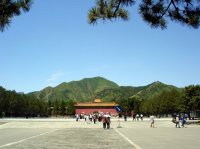
Located at the foot of Tianshou Mountain in Changping District, Beijing, this is a complex of Ming Dynasty imperial tombs. It houses the mausoleums of 13 emperors and their empresses, and visitors can explore the Changling, Dingling, and Zhaoling tombs, as well as the Sacred Way lined with stone statues.
Overview
The Ming Tombs are located at the foot of Tianshou Mountain in Changping District, Beijing, and serve as the final resting place of 13 emperors of the Ming Dynasty along with their empresses. Situated approximately 50 kilometers from downtown Beijing, they constitute one of China's most significant imperial mausoleum complexes and have been designated a UNESCO World Heritage Site.
### Geographical Setting
The Ming Tombs lie within a small basin surrounded by mountains to the east, west, and north, with an open southern side. The continuous mountain range of Tianshou Mountain stretches endlessly, and the site was chosen according to traditional feng shui principles that emphasize the "dragon vein." Behind the tombs rises a towering mountain, while protective "guardian hills" encircle them on either side. The tomb complex features a flat, expansive ceremonial plaza, lush vegetation atop the hill, and abundant vital energy flowing through the earth's veins—making it an ideal "auspicious site" from a feng shui perspective.
### Tomb Architecture and Features
In addition to the 13 imperial tombs, the Ming Tombs include seven consorts' tombs and one eunuch's tomb. Each tomb is built against a backdrop of mountains, with ritual buildings positioned in front. The structures are arranged symmetrically along a central axis, comprising gateways, halls, memorial towers, and treasure chambers. While maintaining a unified architectural style, each tomb varies in scale and orientation.
### Major Tombs
- **Changling**: The tomb of the Yongle Emperor Zhu Di, it is the largest among all the Ming Tombs. Its layout follows a front-square, back-circular plan, featuring three courtyards, with all major buildings aligned along a north–south axis.
- **Dingling**: The tomb of the Wanli Emperor, excavated between 1956 and 1958. Visitors can explore the underground palace where the Wanli Emperor and two empresses are interred; the coffin currently on display is a replica, as many treasures were unearthed during the original excavation.
- **Zhaoling**: The tomb of the Muzong Emperor Zhu Zaihou, which has undergone restoration and is now open to the public.
### Stone Statues and Sacred Way
As one proceeds deeper into the Ming Tombs from the entrance, a series of stone statues line the sacred way, including elephants, horses, camels, and civil and military officials. These sculptures symbolize the emperor's continued authority even after death.
### History and Preservation
Construction of the Ming Tombs began in the seventh year of the Yongle era (1409) and continued for over 230 years, culminating with the burial of the Chongzhen Emperor at Siling. During the Qing Dynasty, some maintenance and repairs were carried out, but after the late Qing period, conservation efforts largely stalled. Today, the Chinese government prioritizes the preservation and restoration of these sites. Since being inscribed on the World Heritage List in 2003, the Ming Tombs have become a popular destination for both domestic and international tourists.
The Ming Tombs stand as an important cultural heritage site, offering visitors a profound glimpse into the history and culture of the Ming Dynasty. Their grand scale and distinctive feng shui design continue to captivate countless visitors.
Changling, Dingling, Zhaoling, and the Sacred Way are typically open to the public. Access to other tombs often requires advance reservations or guided tours, meaning not all areas of the Ming Tombs are freely accessible. By the end of 2025, Jingling had also been included in the reservation-based visiting schedule.
Photos of Ming Tombs
Plan your visit
Opening hours
Dingling's First Exhibition Hall has been temporarily closed since June 28, with a notice on the sales page stating that reopening dates will be announced separately. This closure applies only to the exhibition hall; the underground palace and other areas are treated separately. Current restrictions and the status of reopening require confirmation.
Attractions in Beijing
68 total
World Heritage
8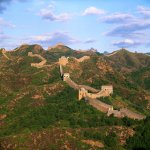
The Great Wall
The Great Wall, a World Heritage Site winding through the mountains of northern China, can be explored in sections near Beijing, such as Badaling and Mutianyu.
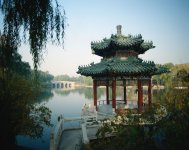
Summer Palace
The Summer Palace is a UNESCO-listed imperial garden in Beijing's Haidian District. Centered around Kunming Lake and Longevity Hill, it offers scenic views including the Long Corridor and the Seventeen-Arch Bridge.
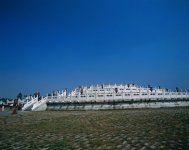
Temple of Heaven Park
The Temple of Heaven Park in Beijing, a UNESCO World Heritage Site where Ming and Qing emperors once offered sacrifices to Heaven, features the Hall of Prayer for Good Harvests with its blue glazed tiles, the Circular Mound Altar, and the Echo Wall.
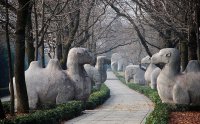
Ming Tombs Sacred Way
The Sacred Way is the ceremonial approach to the Ming Tombs in Changping, Beijing. A stone archway, a stele pavilion, and rows of carved people and animals convey the grandeur of the imperial mausoleums.
Dingling Tomb (Ming Tombs)
Dingling is the tomb of the Wanli Emperor and his two empresses at the UNESCO-listed Ming Tombs in Beijing's Changping District. Visitors can enter its underground burial chamber.
Peking Man Site at Zhoukoudian
Located on Longgushan Mountain in Fangshan District, Beijing, this World Heritage site offers insights into the lives of prehistoric humans through fossils of Peking Man and stone tools.
Eastern Qing Tombs
Located in Zunhua City, Hebei Province, this Qing Dynasty imperial mausoleum complex features the tombs of Emperor Qianlong and Empress Dowager Cixi, along with impressive stone statues lining the sacred way.
The Forbidden City
Located in central Beijing, the Forbidden City was the imperial palace of both the Ming and Qing dynasties. It preserves a complex of palaces, including the Hall of Supreme Harmony, along with its royal gardens, and now serves as the Palace Museum, showcasing cultural treasures.
Culture and history
17
Yonghe Temple
Yonghe Temple, also known as the Lama Temple, is Beijing's largest Tibetan Buddhist monastery.
Treasure Gallery, Palace Museum
The Treasure Gallery, located in the Ningshou Palace area of Beijing's Palace Museum, showcases imperial treasures from the Qing dynasty crafted from gold, silver, jade, and gemstones.
Clock and Watch Gallery (Palace Museum)
At the Palace Museum's Clock and Watch Gallery in Beijing, you can admire Chinese and European timepieces once used in the Qing Dynasty imperial court, along with intricate automata.
Juyongguan Great Wall
Juyongguan is a fortified Great Wall pass northwest of Beijing. Its Yuan-dynasty Cloud Platform (Yuntai) is known for stone reliefs and inscriptions in six scripts.
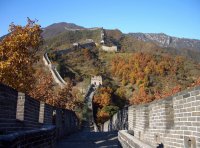
Mutianyu Great Wall
The Mutianyu section of the Great Wall winds through the mountains of Beijing's Huairou District. Ming builders rebuilt it on the remains of a Northern Qi wall.
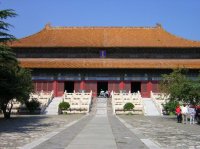
Changling Tomb (Ming Tombs)
The mausoleum of the Yongle Emperor, a representative site among the Ming Tombs in Changping District, Beijing, still features its grand ceremonial hall.
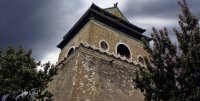
Beijing Bell and Drum Towers
The Bell Tower and Drum Tower stand at the northern end of Beijing's north-south central axis. Built during the Yuan Dynasty, they served as the city's timekeeping center throughout the Ming and Qing dynasties. The drum-beating performance at the Drum Tower is a major highlight.
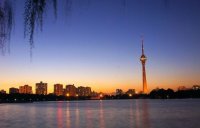
Central Television Tower
Beijing's 405-meter-tall TV tower in Haidian District offers panoramic views of the city from its outdoor observation deck.
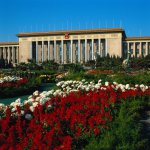
Great Hall of the People
The Great Hall of the People, located on the west side of Beijing's Tiananmen Square, is a national venue where the National People's Congress and other important events are held.
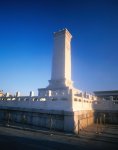
Tiananmen Gate Tower
Located on the north side of Beijing's Tiananmen Square, this city gate offers panoramic views of the square and the surrounding national landmarks.
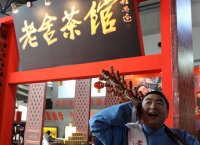
Lao She Teahouse, Beijing
A tea house founded in 1988 in Qianmen, Beijing, where you can enjoy traditional performing arts such as Peking opera and xiangsheng alongside tea and Beijing-style snacks.
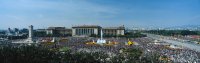
Tiananmen Square
Tiananmen Square, located in the heart of Beijing, is a plaza that reflects modern and contemporary Chinese history, surrounded by landmarks such as Tiananmen Gate, the Monument to the People's Heroes, and the National Museum of China.
Liulichang (Liulichang Cultural Street)
Liulichang, located south of Hepingmen in Beijing, is a cultural street lined with long-established shops selling antique books, calligraphy and paintings, as well as brushes, ink, paper, and inkstones.
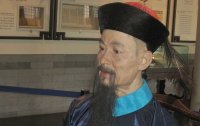
Beijing Ming Emperor Wax Museum
This facility, once introduced as the Ming Emperor Wax Museum in Changping, Beijing, showcases Ming Dynasty history through wax figures. Its current opening status has not been confirmed.
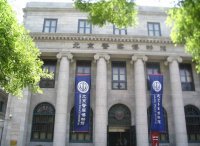
Beijing Police Museum
Located in the former Citibank building in Beijing's Dongcheng District, this museum showcases the city's police history, investigative techniques, and equipment.
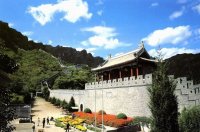
Huangyaguan Great Wall
Huangyaguan Great Wall, located in the northern part of Jizhou District, Tianjin, is renowned for its relics dating back to the Northern Qi dynasty, Ming-era fortifications, and dramatic cliffs bathed in the glow of the setting sun.
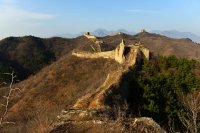
The Great Wall at Panlongshan
This is the publicly accessible section of the Great Wall in Gubeikou, Miyun District, Beijing. Remnants such as the General's Tower and the Twenty-Four-Eye Tower preserve the architecture of the Great Wall and recount the history of the 1933 Battle of the Great Wall.
Nature
9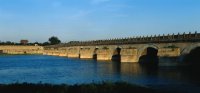
Lugou Bridge (Marco Polo Bridge)
A stone bridge built during the Jin Dynasty, spanning the Yongding River in Beijing's Fengtai District, is renowned for its diverse stone lions and for being the site of the Marco Polo Bridge Incident in 1937.
Longqing Gorge
Longqing Gorge, located in Yanqing District, Beijing, is also known as "Little Li River," offering visitors scenic views of peculiar rock formations and the water's surface from a sightseeing boat.
Baiyun Temple
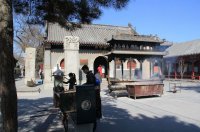
A renowned Taoist temple in Beijing's Xicheng District, offering a glimpse into Taoist architecture and worship traditions.
Prince Gong's Mansion
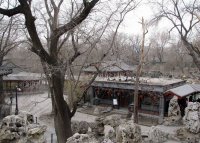
In Beijing's Xicheng District, you can visit a Qing Dynasty princely residence and garden associated with Heshen and Prince Gong.
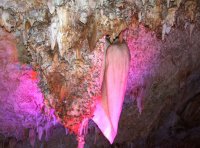
Shihua Cave
This limestone cave in Fangshan District, Beijing, features stalactites and stalagmites as its main attractions.
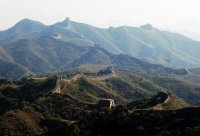
Gubeikou Great Wall
This is a group of Great Wall sections located around Gubeikou in Beijing. Historic wall segments remain on Wohushan and Panlongshan, with access and admission requirements varying by section.
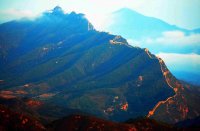
Simatai Great Wall
This is a section of the Ming Dynasty Great Wall adjacent to Gubei Water Town in Miyun, Beijing. It features steep mountain ridges and watchtowers, with access to public sections and nighttime visits subject to management regulations.
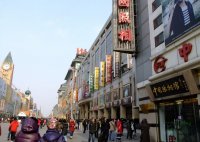
Wangfujing
A prominent shopping district in Beijing's Dongcheng District, home to large commercial complexes and long-established stores.
Wohushan Great Wall
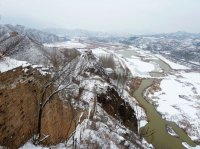
Located in Gubeikou, Miyun District, Beijing, this is the western section of the Great Wall's defensive system. Steep mountain ridges still bear sections of wall and "sister towers," but please refrain from entering the unopen areas.
Performances
3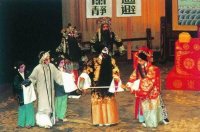
Liyuan Theater (Peking Opera)
The Liyuan Theater is located inside the Beijing Qianmen Jianguo Hotel, where you can enjoy Peking Opera, a traditional Chinese art form that combines singing, dialogue, gestures, and acrobatic movements.
Huguang Guild Hall (Beijing)
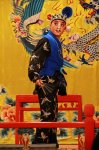
Located on Hufang Road in Beijing, the Huguang Guild Hall preserves Qing-dynasty guild hall architecture and a traditional opera house, serving as a venue for showcasing Peking Opera and other performing arts.
Dehe Garden (Garden of Virtue and Harmony)
Within Beijing's Summer Palace, the Empress Dowager Cixi's theater complex features a three-story grand stage and the Yile Hall as its main attractions.
Museums and memorials
5Former Museums of Chinese History and the Chinese Revolution
The Museum of Chinese History and the Museum of the Chinese Revolution stood on the east side of Tiananmen Square. They merged in 2003 to form the National Museum of China.
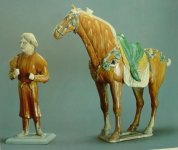
National Museum of China
Located on the east side of Beijing's Tiananmen Square, this comprehensive museum showcases China's ancient civilizations as well as its modern and contemporary history and art.
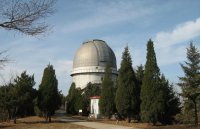
Beijing Observatory
This observatory has evolved as an astronomical research institution under the Chinese Academy of Sciences and conducts research across multiple observing sites.
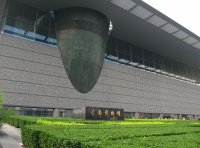
Beijing Capital Museum
At the Capital Museum in Xicheng District, Beijing, you can learn about the city's history and traditional Beijing life through its cultural relics.
Capital Museum
A comprehensive museum located on Fuxingmenwai Avenue in Xicheng District, Beijing. It showcases the city's history, folk culture, and collections of bronzes and ceramics; the current building opened in 2006.
Temples and religious sites
8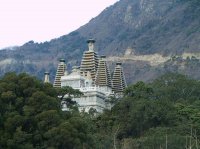
Biyun Temple
Located on the north side of Beijing's Xiangshan Park, this Yuan-dynasty temple features attractions such as the Hall of Five Hundred Arhats and a memorial hall associated with Sun Yat-sen.
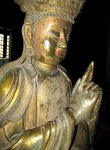
Beijing Great Bell Temple
Beijing's Great Bell Temple, originally Juesheng Temple, houses the Ancient Bell Museum. Its collection includes the Yongle Great Bell and bells from several periods of Chinese history.
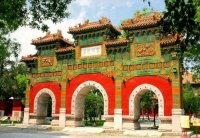
Beijing Confucius Temple
The Confucius Temple on Guozijian Street in Beijing preserves the history of imperial rites honoring Confucius from the Yuan, Ming, and Qing dynasties, as well as steles listing successful candidates in the highest imperial examination.
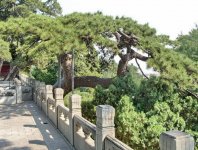
Jietai Temple
In Beijing's Mentougou District, this Buddhist temple is renowned for its "First Altar of China" and ancient pine trees.
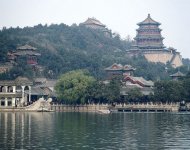
Tower of Buddhist Incense (Summer Palace)
The octagonal pavilion standing on Longevity Hill in Beijing's Summer Palace is the park's iconic landmark, overlooking Kunming Lake.
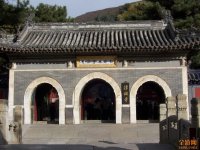
Tanzhe Temple
A historic temple in Mentougou District, Beijing, founded during the Western Jin Dynasty, renowned for its Ming and Qing-era halls and a centuries-old ginkgo tree known as the "Emperor Tree."
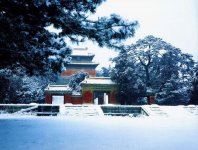
White Pagoda Temple
It is the common name for Miaoying Temple, located in Xicheng District, Beijing. The temple is renowned for its Tibetan-style white pagoda designed by Anig during the Yuan Dynasty, which, together with the surrounding hutongs, preserves the historic cityscape.
Yunju Temple, Fangshan
It is a Buddhist temple located in Fangshan District, Beijing. It is renowned for its "Three Wonders" of stone scriptures, paper sutras, and woodblock prints, as well as ancient pagodas from the Tang and Liao dynasties.
Parks and gardens
11
Xiangshan Park
Xiangshan Park is a former imperial retreat in northwest Beijing, known for its autumn smoke-tree foliage and views from Xianglu Peak.
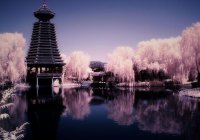
China National Ethnic Garden
The China National Ethnic Garden in Beijing's Chaoyang District is an outdoor anthropology museum showcasing the architecture, daily life, crafts, and performing arts of China's 56 ethnic groups.
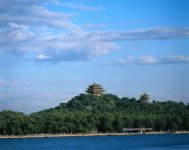
Beihai Park
Located northwest of Beijing's Forbidden City, this imperial garden is renowned for its expansive lake and the White Pagoda on Qionghua Island.
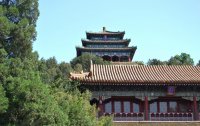
Jingshan Park
A park located on the north side of Beijing's Forbidden City, offering a panoramic view of the Forbidden City and Beijing's central axis from Wanchun Pavilion.
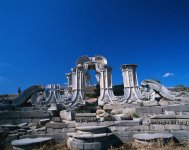
Old Summer Palace, Beijing
This is the site of a Qing Dynasty imperial garden in Haidian District, Beijing. Visitors can explore the Western-style Pavilion ruins, which bear witness to its 1860 destruction, and trace the layout of its expansive gardens featuring lakes and green spaces.
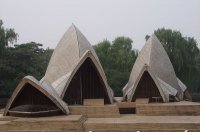
Beijing World Park
A theme park in Beijing's Fengtai District where you can enjoy miniature replicas of famous landmarks from around the world.
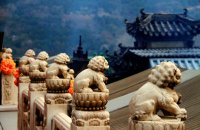
Badachu Park
A mountainous temple garden located at the southern foot of Xishan in Beijing. Named after eight ancient monasteries, it offers seasonal scenery, including temple landscapes and vibrant autumn foliage.
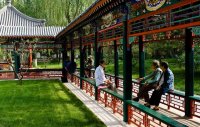
Temple of Earth Park
A historical site park centered around the square Fangze Altar, located just outside Andingmen in Beijing, dating back to the Ming and Qing dynasties.
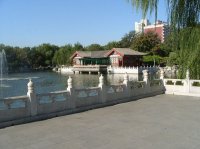
Beijing Daguan Garden
A Beijing garden that recreates the world of the novel "Dream of the Red Chamber." Visitors can enjoy the buildings and garden landscapes, which were developed as filming locations for the drama.
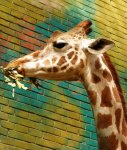
Beijing Zoo
A historic zoo located in Xicheng District, Beijing. Visitors can observe a diverse range of animals, including giant pandas, and the grounds feature late-Qing-era architecture and garden landscapes.
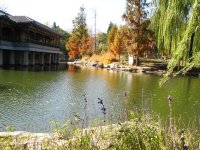
Zhongshan Park
This park is located west of Tiananmen Square and adjacent to the southwest side of the Forbidden City. Visitors can enjoy its historical sites, such as the Ming Dynasty Sheji Altar and Zhongshan Hall, along with beautiful spring tulip displays.
Neighborhoods and local culture
2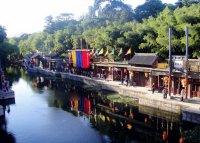
Suzhou Street (Summer Palace)
Suzhou Street recreates a Jiangnan waterfront market along the Back Lake of Beijing's Summer Palace.
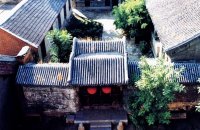
Beijing Hutong
Beijing's hutongs are narrow lanes that have survived in the city's historic neighborhoods since the Yuan, Ming, and Qing dynasties. You can visit museums that showcase the traditional courtyard houses and hutong culture.
Other attractions
5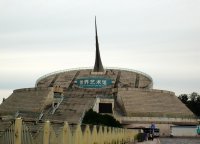
China Millennium Monument
The China Millennium Monument on Beijing's Fuxing Road commemorates the new millennium and hosts art exhibitions.
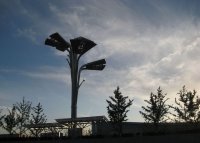
Asian Games Village (1990 Beijing Asian Games Athletes' Village Area)
Beijing's Asian Games Village is a district in Chaoyang District that evolved from the athlete village and related facilities of the 11th Asian Games in 1990, now home to residential, commercial, and conference amenities.
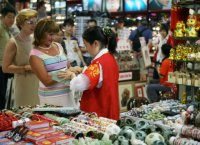
Xiu Shui Street
Located near Yong'anli Station in Beijing, this indoor shopping center is known as the "Silk Market" and offers silk products and handicrafts.
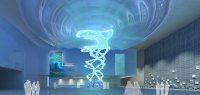
China Science and Technology Museum
It is the National Museum of Science and Technology, located in Beijing's Olympic Park. Visitors can enjoy hands-on exhibits, a science area for children, and screenings of special films.
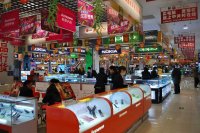
Bainaohui (Beijing, Closed)
It was a large electronics store located on Chaoyangmenwai Avenue in Beijing. It closed in 2019, and the former site has been renovated into the Meike Dongxueguan.