Jincheng Travel Guide
Jincheng in southeastern Shanxi holds the Qing mansion of Huangcheng Xiangfu and Wangmangling in the Taihang Mountains, amid old temples and cave temples.
Jincheng Travel guide
Jincheng lies in southeastern Shanxi, spreading at the southern foot of the Taihang Mountains. Steep mountains and valleys surround it, and it grew in modern times on resources such as coal. A transport hub since ancient times, it keeps many temples and mansions.
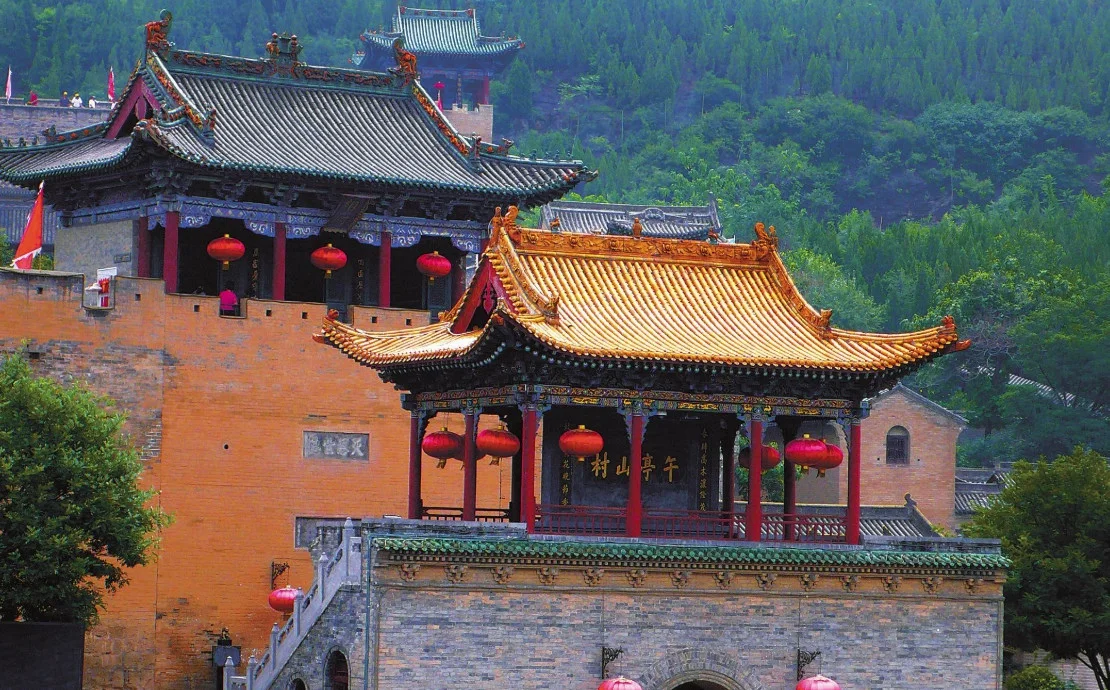
In the southwest of the city area lies Huangcheng Xiangfu, a Qing-dynasty official's mansion. High walls and many buildings run on, recalling the life of the time. In nearby villages, old dwellings and stone gates still survive.
Wangmangling to the east is a scenic spot known for the sheer cliffs of the Taihang Mountains. Cloud seas and rocky peaks can be viewed, and mountain paths are laid out. In the city area there are also many old temples and shrines with surviving statues, which can be walked while feeling the history. In the villages of the city area, old tools of daily life and buildings can be seen as well.
Around Jincheng, old settlements and cave temples are scattered, and traces of faith and daily life can be traced. Shanxi's noodle dishes and vinegar-flavored tastes are another pleasure of the trip. It can be reached from Zhengzhou and Taiyuan by rail and expressway, a land suited to a trip taking in both old buildings and mountain scenery.
Photos of Jincheng
Jincheng Essential information
Best time to visit
Spring and autumn have mild temperatures, and suit touring the mountains and old towns. Summer is comparatively cool, and the mountains are also suited to escaping the heat. Winter is severely cold, and roads sometimes freeze, so cold-weather gear is needed. Spring brings flowers and autumn turning leaves, changing the mountain scenery.
Weather and climate
In southeastern Shanxi, the continental climate has somewhat little rain. Summer is hot and winter turns severely cold. The temperature gap between morning, evening, and midday is wide, and the mountains are colder than the flatland. There are many dry days, and clear air is another feature.
Local food
Cooking based on wheat is central, with a great many kinds of handmade noodles a feature. Vinegar-flavored seasoning and steamed wheat dishes are often eaten as well. Plain dishes using mountain fare can be enjoyed between travels. Generous portions with plenty to eat are also part of Shanxi cooking's appeal.
Getting there and around
Jincheng can be reached from Zhengzhou and Taiyuan by rail and expressway. For the sights in the city area, one can head out from the city by car or local bus. As mountain roads wind, allow plenty of time in the itinerary. From the city to surrounding towns, local buses can also be used.
Travel tips
On mountain roads, wear easy walking shoes and carry drinks. At old buildings, follow the visiting rules. As the temperature range is wide, clothing easy to add and remove is reassuring. Spring brings strong winds, and dust can rise.