Shangsi Travel Guide
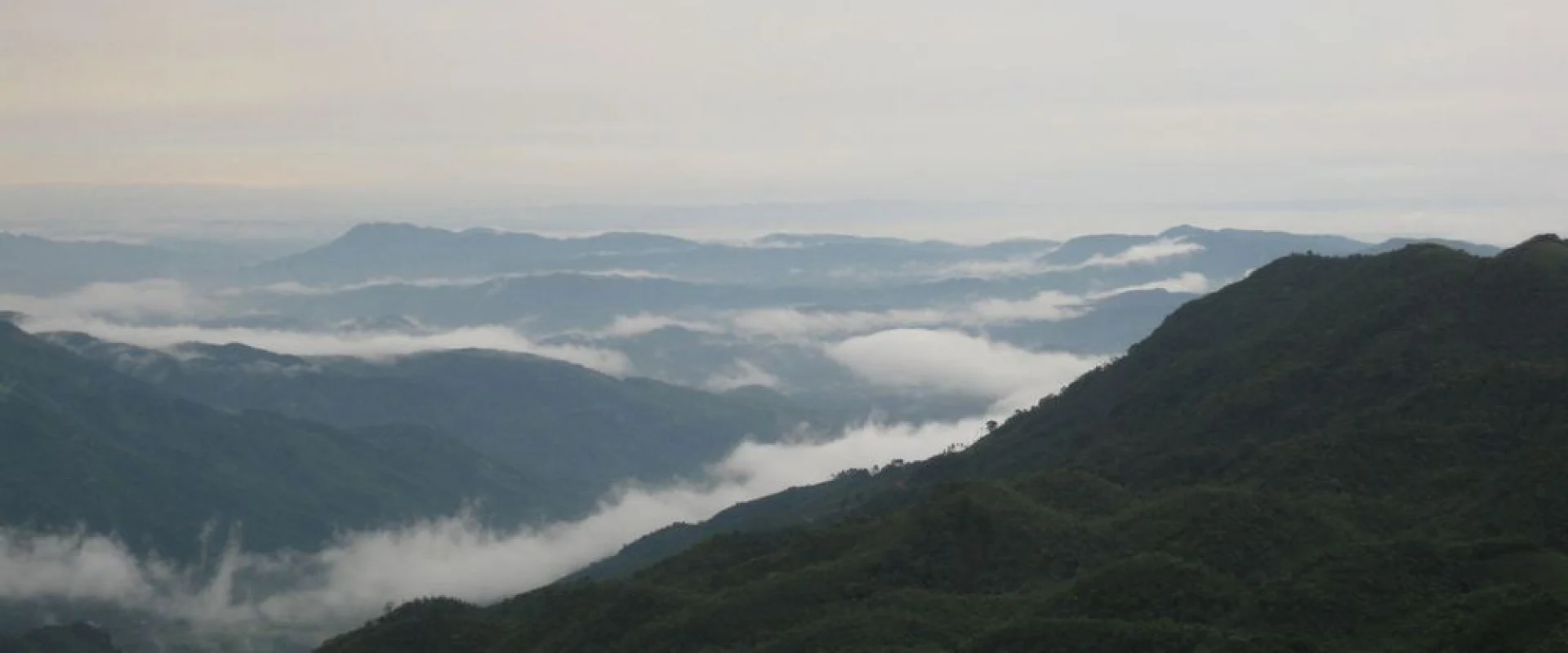
Shangsi, a county in the southern part of Guangxi, at the foot of the Shiwandashan, with the deep forest, the clear streams, the hot springs, and the highland trip.
Shangsi Travel guide
This county stretches across the northern foothills of the Shiwandashan Mountains, in the southern part of Guangxi Zhuang Autonomous Region. To the south, mountainous terrain rises continuously, while to the north lie rolling hills and open farmland.The Shiwandashan area is a mountainous region blessed with dense forests and abundant water. Clear streams wind through rocky crevices, forming cascading waterfalls and tranquil pools along the way. The forest teems with diverse vegetation, offering travelers ever-changing shades of green with each passing season.In the mountains, natural hot springs bubble up, providing a serene opportunity to soak in the great outdoors—a cherished pleasure of this land. At the foot of the mountains, the Zhuang people live, sustaining their way of life through rice cultivation and the bounties of the surrounding hills. These simple, unadorned scenes enrich the traveler's experience and leave a lasting impression.Shangsi has long been a crossroads where paths traversing the mountains connect the north and south. Today, well-maintained roads from Nanning make it easily accessible, and the town has become renowned as a destination for those seeking the beauty of its mountainous and watery landscapes. Venture deeper into the forest, and you'll find only dappled sunlight filtering through the trees and the gentle murmur of flowing water. This place's greatest allure lies in its untouched natural splendor. Nestled among towering trees and the soothing sound of clear streams, it's an ideal retreat for those who wish to slow down and breathe deeply.
Photos of Shangsi
Shangsi Essential information
Best time to visit
Spring and summer, when the water flows more powerfully and the forest's greenery deepens, are the ideal times to visit. During these seasons, the water cascading over the falls and through the valleys is at its most vigorous, and the forest's foliage shines with vibrant hues. In summer, frequent rains can make the air oppressively humid, so it's best to explore the valleys early in the cool morning hours.
Weather and climate
In the humid climate of the southern region, annual rainfall is heavy, and the air always feels fresh and moist. Summers bring intense heat and humidity, with rain often falling in short, concentrated bursts. As you move into the mountainous areas, temperatures drop compared to the plains, and mornings and evenings can feel downright chilly. Along valley roads, after rain, the ground becomes muddy and slippery.
Local food
Dishes that make the most of the region's natural bounty—mountains and water—are served, with river fish and mountain vegetables gracing the table. Noodles and mochi made from rice flour are everyday staples here, while hearty stews spiced with aromatic seasonings and simple, rustic dishes accompanied by pickles take center stage.
Getting there and around
You can reach the scenic area of the Shiwandashan Mountains by bus or car from Nanning, Fangchenggang, and other nearby cities. Drive to the foot of the mountain, then continue on foot to explore the trails. The paths winding along the valleys are intricate, so combining transportation with sightseeing will take a full day.
Travel tips
Mountain trails can be slippery and uneven, so plan a comfortable itinerary with sturdy, easy-to-walk shoes. As some seasons see an abundance of insects, it's wise to bring insect repellent. Since hot springs and valleys remain in their natural state, please take your trash with you and refrain from collecting any plants or animals.